Is Buying a Refurbished Laptop Worth It? Pros, Cons & Risks
If you’ve shopped for a laptop recently, you’ve probably noticed refurbished options sitting right next to brand-new ones — often at 30-50% lower prices. That gap is tempting, but it also raises a fair question: is a refurbished laptop actually worth it, or are you just buying someone else’s problem at a discount?
The honest answer is: it depends entirely on where you buy it from, and what you check before you do. This guide breaks down the real pros, cons, and risks of buying refurbished — so you can make a confident, informed decision.
What Does "Refurbished" Actually Mean?
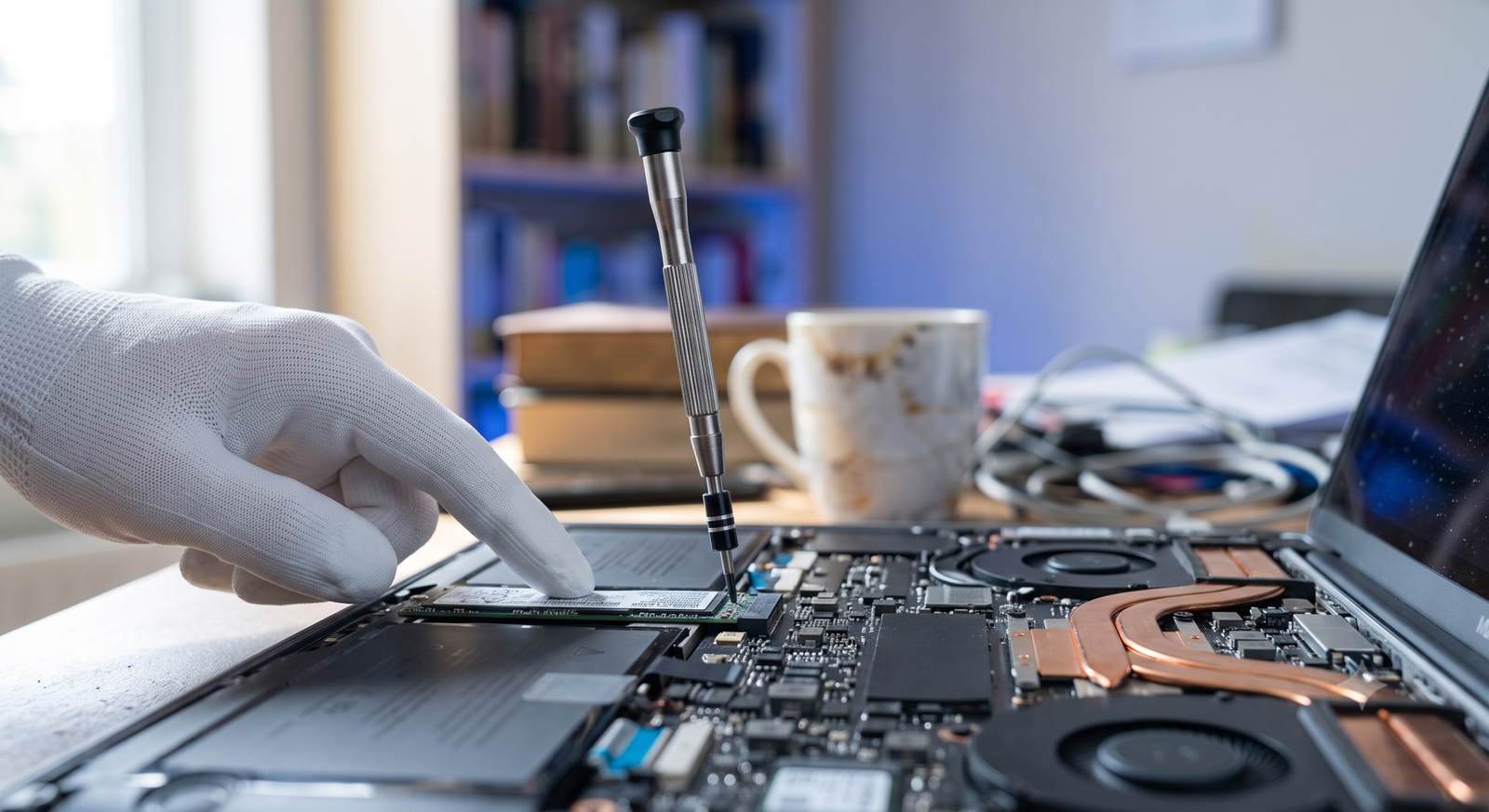
A refurbished laptop is a previously owned or returned device that has gone through a structured process before resale: inspection, repair or replacement of faulty components, cleaning, software reset, and functional testing. This is different from a “used” laptop, which is typically resold as-is with no testing or guarantee.
Refurbished units are also usually graded (e.g., Grade A, B, C) based on cosmetic condition, even when functionally they perform the same.
The Pros of Buying a Refurbished Laptop
The Cons and Risks to Be Aware Of
1. Significant Cost Savings
Refurbished laptops are commonly priced well below their new counterparts for similar or identical specifications, making them an attractive option for budget-conscious buyers, students, and small businesses equipping multiple employees.
2. Tested and Graded — Not Just Resold
Unlike used laptops sold privately, properly refurbished units go through functional testing before being listed for sale. This significantly lowers the chance of receiving a device with hidden hardware faults.
3. Environmentally Friendlier
Buying refurbished extends the working life of existing hardware and reduces electronic waste — a meaningful consideration as e-waste continues to be a growing global concern.
4. Often Comes with Some Warranty
Reputable refurbished sellers typically offer a short warranty period (commonly somewhere in the range of a few months to a year, though this varies significantly by seller) — something used laptops almost never include.
5. Good for Short-Term or Secondary Use Cases
For students, interns, secondary work devices, or budget-conscious institutional rollouts, refurbished laptops often deliver more than enough performance without the premium price tag of new hardware.
1. Battery Health Is Often Overlooked
Lithium-ion batteries degrade with use and time. A refurbished laptop’s battery may have significantly reduced capacity compared to a new one, even if the device otherwise functions perfectly. Always ask for the battery’s cycle count or health percentage before buying.
2. Cosmetic Wear Is Normal
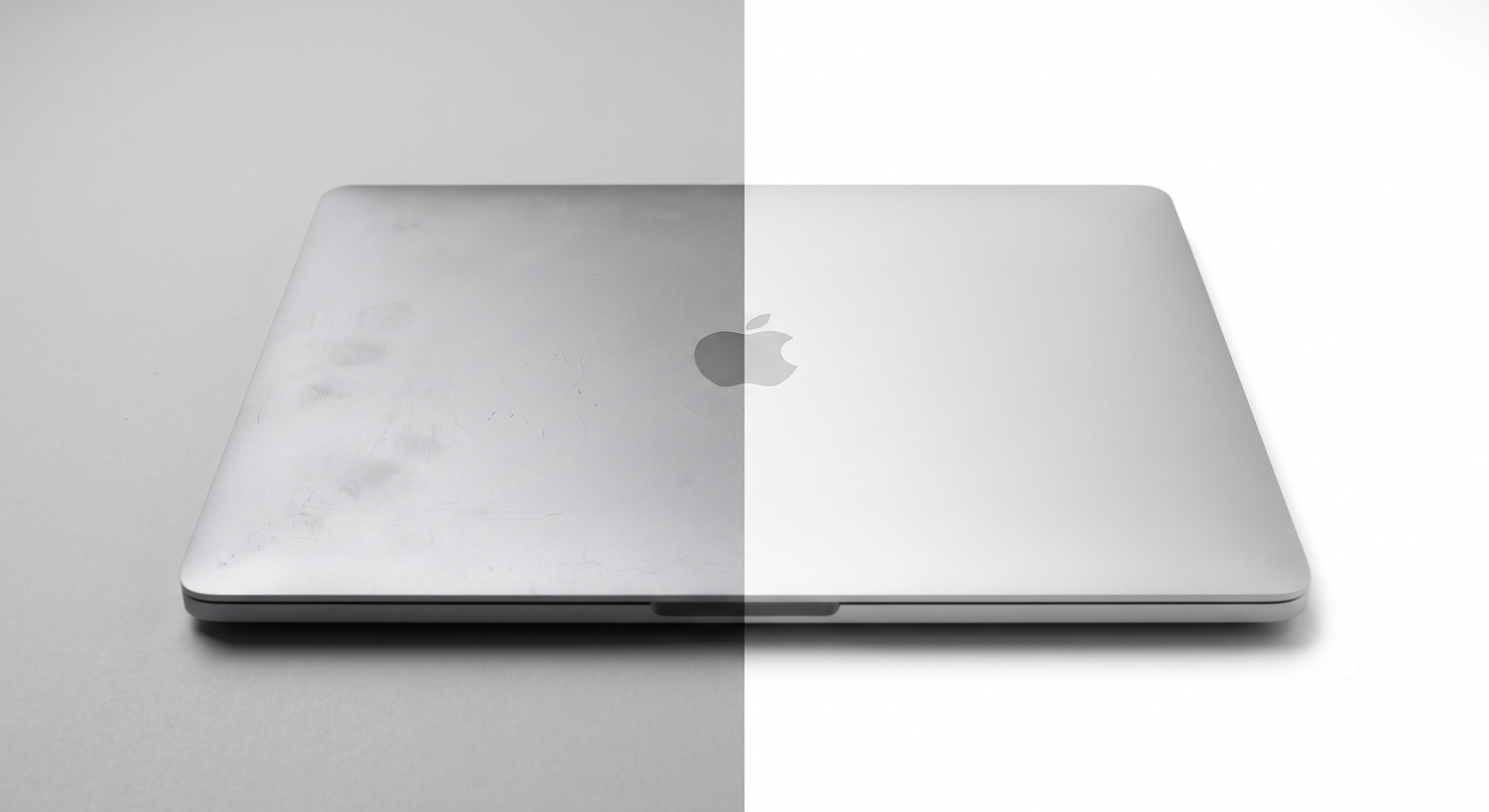
Even “Grade A” refurbished laptops may show light scratches, minor scuffs, or slightly worn keys. If you’re expecting a box-fresh look, refurbished may not meet that expectation.
3. No Manufacturer Warranty by Default
Refurbished laptops typically don’t carry the original manufacturer’s warranty unless explicitly stated. Instead, you’re relying on the reseller’s own warranty — which makes choosing a trustworthy seller critical.
4. Inconsistent Quality Across Sellers
Refurbishment standards are not strictly regulated industry-wide, meaning quality can vary significantly from one seller to another. A laptop refurbished by an experienced, accountable supplier is a very different product from one quickly wiped and relisted by an unverified seller.
5. Limited Stock of Specific Configurations
Unlike new laptops, you can’t always order the exact specs (RAM, storage, color) you want — refurbished inventory depends on what’s been returned or traded in.

Refurbished vs. Used vs. New: Quick Comparison
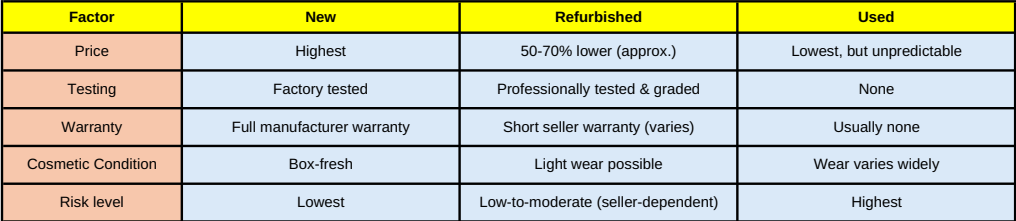
Note: The pricing percentages above are commonly cited industry estimates. You should verify current pricing against actual listings, as this varies by brand, model, and market conditions.
How to Reduce Risk When Buying Refurbished
- Buy from an established, accountable seller – not an anonymous online listing.
- Ask for battery health/cycle count before purchasing.
- Confirm the warranty period and what it covers in writing.
- Check the grading system the seller uses, and ask for real photos if buying online.
- Test the device within the warranty/return window – check ports, keyboard, screen, and battery performance immediately.
So, Is It Worth It?
For most budget-conscious buyers: Students, Startups, and SMBs equipping a team, a refurbished laptop is worth it, provided it comes from a seller who actually tests, grades, and stands behind their stock. The savings are real, and the performance is often indistinguishable from new for everyday and professional use.
The risk isn’t in “refurbished” as a category, it’s in unverified sellers who skip the testing and offer no support. That’s where buyers get burned, and where the line between “refurbished” and “barely-used-and-hoping-for-the-best” disappears.
Final Thoughts
Before buying, ask less about new vs. refurbished, and more about who refurbished it and what happens if something goes wrong. That single question will tell you more about your purchase than the price tag ever will.
Looking for tested, graded, and warrantied refurbished laptops in Delhi NCR? Parsh Infotech Inc. supplies genuine refurbished and new laptops from HP, Lenovo, Dell, and other leading brands, backed by an in-house testing and repair facility. Contact us on WhatsApp: +919212057276 to find the right laptop for your budget.